

Mastering Breathwork: Your Online Guide to Breathwork Techniques
Breath is life. It’s simple, yet profound. When I first discovered breathwork, it felt like unlocking a secret door to calm and clarity. You can feel it too - the gentle rise and fall of your chest, the soothing rhythm that connects you to the present moment. Breathwork is more than just breathing. It’s a practice, a tool, a path to inner peace and strength.
Let’s explore this journey together. I’ll share what I’ve learned, practical tips, and ways you can start right now. Whether you want to ease stress, find calm, or grow personally, breathwork can be your companion. And the best part? You can master it from the comfort of your home.
Discovering Online Breathwork Techniques
Breathwork has evolved beautifully with technology. Today, you can access a variety of online breathwork techniques that fit your pace and style. From guided sessions to self-paced courses, the options are vast and welcoming.
Online breathwork techniques offer flexibility. You can practice early morning to set a calm tone for your day or unwind in the evening to release tension. Many platforms provide video instructions, audio guides, and live classes. This variety helps you find what resonates with you.
Here are some popular online breathwork techniques you might explore:
Box Breathing: Inhale, hold, exhale, hold - each for four counts. It’s simple and grounding.
4-7-8 Breathing: Inhale for 4 seconds, hold for 7, exhale for 8. This technique calms the nervous system.
Alternate Nostril Breathing: Balances energy and promotes mental clarity.
Coherent Breathing: Breathing at a steady rate of five breaths per minute to enhance heart rate variability.
Each technique has its unique rhythm and benefits. I encourage you to try them gently, noticing how your body and mind respond.

How Breathwork Transforms Your Mind and Body
Breathwork is a bridge between your mind and body. When you breathe consciously, you invite calm into your nervous system. Stress hormones ease, and your heart rate slows. This simple act can shift your entire state.
Personally, I’ve found breathwork to be a sanctuary during overwhelming moments. It’s like pressing a reset button. When anxiety creeps in, focusing on my breath helps me step back and observe without judgment.
Here’s what happens when you practice breathwork regularly:
Reduces Stress and Anxiety: Deep breathing activates the parasympathetic nervous system, promoting relaxation.
Improves Focus and Clarity: Oxygen flows more efficiently to the brain, enhancing mental sharpness.
Boosts Emotional Resilience: You become more aware of your feelings and better equipped to handle them.
Enhances Physical Health: Breathwork can lower blood pressure, improve digestion, and support better sleep.
Try this simple exercise now: inhale deeply through your nose for a count of four, hold for four, exhale slowly through your mouth for six. Repeat a few times. Feel the difference? That’s the power of breath.
Getting Started with Breathwork at Home
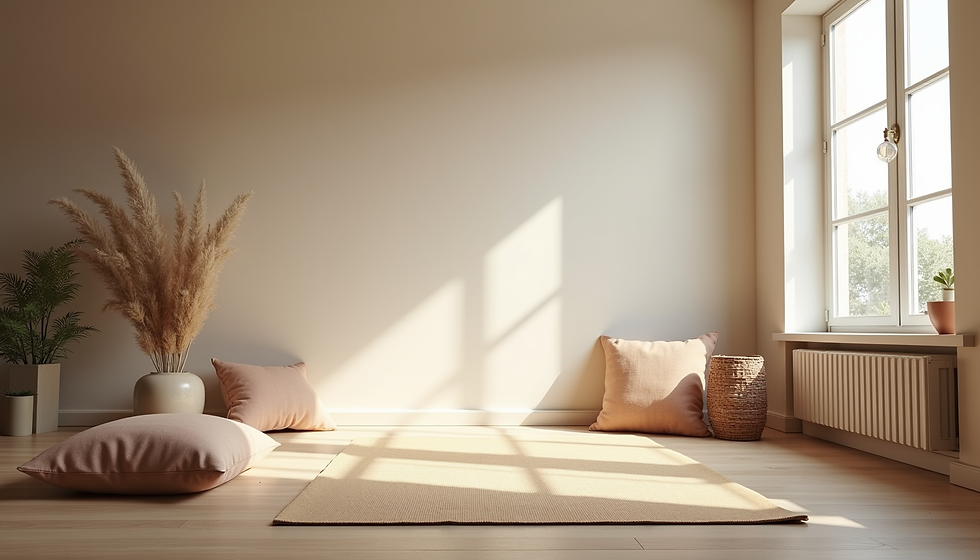
Starting breathwork doesn’t require special equipment or a fancy studio. You only need your breath and a quiet space. Here’s a gentle guide to begin:
Find Your Space: Choose a comfortable spot where you won’t be disturbed. It could be a corner of your room or a cozy chair.
Set a Timer: Start with 5 minutes. You can gradually increase as you feel more comfortable.
Sit Comfortably: Keep your back straight but relaxed. Rest your hands on your lap or knees.
Focus on Your Breath: Notice the natural rhythm. Don’t force it. Just observe.
Try a Technique: Pick one from the list above or simply breathe deeply and slowly.
Be Kind to Yourself: If your mind wanders, gently bring your attention back to your breath.
Consistency is key. Even a few minutes daily can create a ripple effect of calm and clarity.

Tips for Deepening Your Breathwork Practice
As you grow more comfortable, you might want to deepen your practice. Here are some tips that have helped me along the way:
Create a Ritual: Link breathwork to a daily habit like morning coffee or before bedtime.
Use Guided Sessions: Sometimes, a gentle voice can lead you deeper into relaxation.
Journal Your Experience: Write down how you feel before and after breathwork. Notice patterns and progress.
Explore Different Techniques: Your needs may change day to day. Be curious and open.
Practice Mindfulness Alongside: Breathwork and mindfulness complement each other beautifully.
Remember, breathwork is a personal journey. There’s no right or wrong way. It’s about tuning in and honoring your unique rhythm.
Embracing Breathwork as a Lifelong Companion
Breathwork is more than a practice - it’s a lifelong companion. It grows with you, adapting to your needs and seasons of life. When you feel overwhelmed, it’s there. When you seek joy or clarity, it’s there.
Explore Bliss and Low Free Breath Work Classes
Powerful Resources for Enhancing Calmness
Try one of the Bliss and Flow's free breathwork classes to enhance your journey towards calmness.
Benefits of Breathwork
Reduces stress and anxiety
Promotes relaxation
Enhances mental clarity
Improves emotional well-being
How to Get Started
Visit the Bliss and Flow website.
Sign up for a free class.
Set aside a quiet space for practice.
Follow the guided session to experience the benefits.
Online resources can offer structured guidance and community support, making your journey even richer.
I invite you to embrace breathwork with kindness and curiosity. Let it be a gentle anchor in your daily life. With each breath, you step closer to your inner calm, strength, and transformation.
May your breath be your guide, always.
Thank you for joining me on this journey. Breathe deeply, and let your spirit flow.


Comments